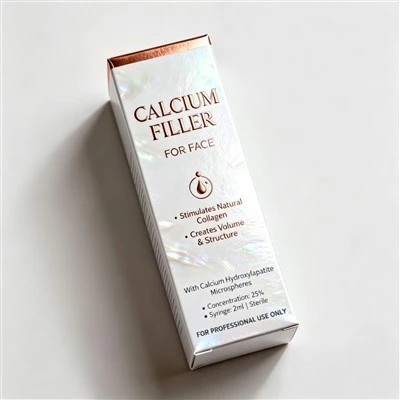
When it comes to enhancing one's appearance, calcium hydroxylapatite (CaHA) fillers have emerged as a popular choice in the field of aesthetic medicine. As a reputable calcium hydroxylapatite fillers supplier, I often receive inquiries about the injection depth of these fillers. In this blog, I will delve into the details of what the appropriate injection depth for calcium hydroxylapatite fillers is, and why it matters.
Understanding Calcium Hydroxylapatite Fillers
Calcium hydroxylapatite fillers are a type of dermal filler that has been used for several years to correct various facial aesthetic concerns. They are composed of microscopic calcium hydroxylapatite spheres suspended in a gel carrier. The unique properties of CaHA fillers make them suitable for a wide range of applications, from adding volume to the face to improving the appearance of wrinkles and folds.
One of the key advantages of calcium hydroxylapatite fillers is their ability to stimulate the production of collagen in the skin. Collagen is a protein that provides structure and elasticity to the skin, and as we age, its production decreases, leading to the formation of wrinkles and sagging skin. By injecting CaHA fillers, we can not only provide immediate volume and contouring but also promote the long - term production of collagen, resulting in more natural and long - lasting results.
Importance of Injection Depth
The injection depth of calcium hydroxylapatite fillers is crucial for achieving optimal results and minimizing potential complications. Different injection depths are suitable for different treatment areas and aesthetic goals.
- Superficial Injection: Injecting CaHA fillers at a superficial depth, typically in the papillary dermis, is mainly used for treating fine lines and superficial wrinkles. This shallow injection allows the filler to smooth out the skin texture and improve the appearance of small imperfections. However, it requires great precision as injecting too close to the surface can lead to visible bumps or lumps.
- Mid - Dermal Injection: When dealing with moderate wrinkles and folds, a mid - dermal injection is often preferred. The mid - dermis provides a good balance between support and naturalness. Injecting at this depth allows the filler to blend well with the surrounding tissue, providing a smooth and even correction of the wrinkles.
- Deep Dermal or Subdermal Injection: For more significant volume loss, such as in the cheeks or temples, a deep dermal or subdermal injection is necessary. Injecting CaHA fillers at these depths can restore lost volume, enhance facial contours, and give a more youthful appearance. This type of injection requires a good understanding of facial anatomy to ensure that the filler is placed in the correct plane and does not cause any damage to underlying structures.
Factors Affecting Injection Depth
Several factors need to be considered when determining the appropriate injection depth for calcium hydroxylapatite fillers:
Treatment Area
Different areas of the face have different tissue thickness and elasticity, which influence the injection depth. For example, the skin around the eyes is much thinner compared to the cheeks. In the periorbital area, a superficial injection may be more appropriate to avoid a heavy or unnatural look. On the other hand, the cheeks require a deeper injection to achieve the desired volume and contour.
Type of Wrinkles or Defects
The nature of the wrinkles or defects also plays a role in deciding the injection depth. Static wrinkles, which are present even when the face is at rest, may require a deeper injection to fill the underlying tissue loss. Dynamic wrinkles, which are caused by muscle movement, can sometimes be treated with a more superficial injection in combination with other treatments such as botulinum toxin.
Patient's Skin Characteristics
The patient's skin type, thickness, and overall condition are important factors. Patients with thinner skin may be more prone to visible lumps if the filler is injected too superficially. In contrast, patients with thicker skin may be able to tolerate a slightly deeper injection without noticeable side effects.


Recommended Injection Depths for Common Treatment Areas
Nasolabial Folds
Nasolabial folds are the lines that run from the sides of the nose to the corners of the mouth. A mid - dermal to deep dermal injection of calcium hydroxylapatite fillers is usually recommended for these folds. This depth helps to fill the volume loss and smooth out the appearance of the folds, providing a more youthful and refreshed look. Calcium Hydroxylapatite Injection
Cheeks
To enhance the cheeks and restore volume, a deep dermal or subdermal injection is preferred. By injecting the filler at this depth, we can create a natural - looking contour and lift the mid - face. This not only improves the overall facial appearance but also helps to reduce the appearance of under - eye hollows and jowls. Wholesale Calcium Hydroxylapatite (CaHA) Facial Filler
Marionette Lines
Marionette lines are the vertical lines that extend from the corners of the mouth down to the chin. A mid - dermal injection can effectively treat these lines by filling the space and softening their appearance. In some cases, a combination of mid - dermal and deeper injections may be used depending on the severity of the lines.
Lips
For lip augmentation, a very superficial injection is often used. This allows for a natural - looking enhancement of the lips, adding volume and definition without causing an over - stuffed appearance. However, extreme caution must be taken due to the delicate nature of the lip tissue. Dermal Filler for Plastic Surgery
Precautions and Potential Complications
Incorrect injection depth can lead to various complications. If the filler is injected too superficially, it may result in visible bumps, lumps, or an uneven appearance of the skin. In some cases, there may also be discoloration due to the visibility of the filler through the thin skin. On the other hand, injecting too deeply can cause damage to underlying muscles, nerves, or blood vessels, leading to pain, swelling, and in rare cases, tissue necrosis.
To minimize these risks, it is essential that the injection is performed by a qualified and experienced medical professional who has a thorough understanding of facial anatomy and the correct injection techniques for calcium hydroxylapatite fillers.
As a Supplier, Our Role
As a calcium hydroxylapatite fillers supplier, we are committed to providing high - quality products that meet the strictest safety and efficacy standards. Our fillers are carefully formulated to ensure optimal performance at different injection depths. We also offer comprehensive training and support to medical professionals to help them master the art of injecting our products safely and effectively.
If you are an aesthetic professional interested in our Calcium Hydroxylapatite Soft Tissue Fillers or Calcium Hydroxylapatite (CaHA) Fillers, we encourage you to contact us for a procurement discussion. We can provide you with detailed product information, pricing, and any other assistance you may need to make an informed decision.
Conclusion
The injection depth of calcium hydroxylapatite fillers is a critical factor in achieving successful aesthetic outcomes. By understanding the appropriate injection depths for different treatment areas and considering the various factors that influence them, medical professionals can ensure that their patients receive the best possible results. As a supplier, we are dedicated to supporting the aesthetic community in providing safe and effective treatments using our high - quality calcium hydroxylapatite fillers. If you are interested in learning more about our products or have any questions regarding injection techniques, feel free to reach out to us for a detailed procurement discussion.
References
- Alster, T. S., & West, T. B. (1998). Complications of injectable fillers. Clinical Plastic Surgery, 25(2), 327 - 338.
- Carruthers, A., & Carruthers, J. D. (2001). Facial rejuvenation using injectable fillers. Dermatologic Clinics, 19(4), 729 - 742.
- Rohrich, R. J., Pessa, J. E., & Ristow, B. J. (2007). The role of volume restoration in facial rejuvenation. Plastic and Reconstructive Surgery, 120(7 Suppl), 221S - 230S.