


Hey guys, let’s cut to the chase—blackheads. Those tiny, dark specks on your nose, forehead, or chin that feel like they’re impossible to get rid of no matter how many times you scrub. I’m a skin mask sheet supplier, so I get it—everyone slides into my DMs asking if our products can actually zap blackheads. Spoiler: it’s not a straight “yes” or “no” answer. Let’s break this down like we’re chatting over coffee, no fancy jargon, just real skin science and what our sheets can (and can’t) do.
First, let’s remember what blackheads are. They’re open comedones—pore plugs made of excess oil (sebum), dead skin cells, and sometimes bacteria, that oxidize when they hit air, turning dark. A lot of people think pulling or scrubbing hard will yank them out, but that usually just irritates your skin, makes pores bigger, and can cause redness or even breakouts. Enter skin mask sheets: they’re not those old-school peel-off masks that can damage your skin barrier (we’ve all had one that left our face tight for days, right?). Our masks are designed to sit on top of your skin, delivering active ingredients without over-stripping. But can they remove blackheads? Let’s get specific.
The short answer? They won’t “remove” blackheads the way a pore strip does—meaning they won’t yank the entire plug out in one go. But here’s the good stuff: they can help prevent new blackheads from forming, and make existing ones less noticeable over time. Wait, why? Let’s talk ingredients. A lot of our skin mask sheets are packed with things like salicylic acid, niacinamide, or charcoal. Salicylic acid is a beta-hydroxy acid (BHA) that’s oil-soluble—it penetrates deep into pores to dissolve the sebum and dead skin cells that cause plugs. Niacinamide helps regulate sebum production, so you’re not producing excess oil that clogs pores in the first place. Charcoal, on the other hand, is a porous ingredient that can draw out surface gunk, like a magnet, without being too harsh.
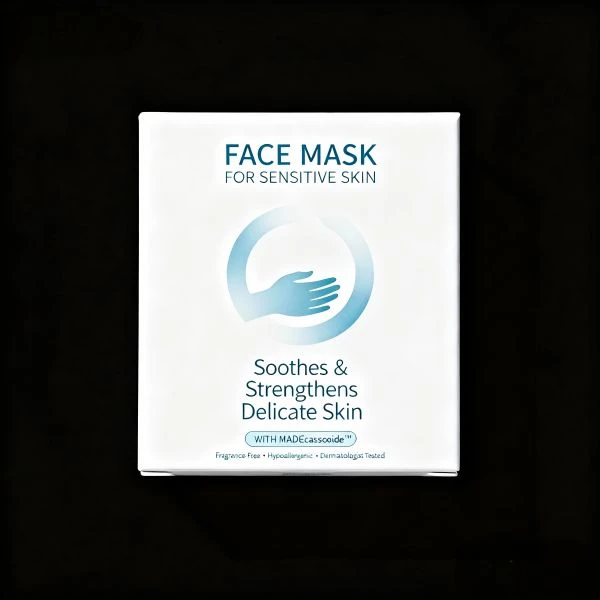
But not all masks are created equal. If you have sensitive skin, slapping on a mask with 2% salicylic acid might do more harm than good—redness, itching, the whole nine yards. That’s why we made our Face Mask for Sensitive Skin —it’s fragrance-free, has a milder blend of calming ingredients like aloe and centella asiatica, plus a tiny dose of niacinamide to gently prevent pore clogs without irritating. I’ve had customers with super reactive skin tell me this mask keeps their blackheads from flaring up, even when the weather’s dry or humid. That’s a win for long-term care, even if it’s not a quick fix.
What if you’re dealing with stubborn blackheads and your skin isn’t too sensitive? Our Hyaluronic Collagen Sheet Mask is a crowd favorite for this. Wait, why hyaluronic acid and collagen? Hyaluronic acid plumps up your skin, which helps reduce the appearance of pores—smaller pores mean less chance of gunk building up in them. Collagen supports your skin’s structure, so pores stay tight, not stretched out. Plus, if you use this mask once or twice a week, the hydration helps flush out excess oil that would otherwise turn into blackheads. A lot of my repeat customers say their blackheads look way less “dark” after a few uses, even if they’re not gone entirely.
And let’s talk about moisturizing—dry skin can actually make blackheads worse. When your skin is dehydrated, it produces more oil to compensate, which clogs pores. That’s where our Intense Moisturizing Sheet Mask comes in (wait, no, let me fix that—Intense Moisturizing Sheet Mask). It’s loaded with shea butter and ceramides to repair your skin’s barrier, so it stays hydrated. I once had a customer who only used harsh exfoliants and pore strips, and her blackheads were super inflamed. After switching to this mask twice a week, her skin stopped overproducing oil, and her blackheads got way smaller. That’s not removing them, but it’s fixing the root cause.
Wait, but what about the “instant fix” people want? If you have a big event and your nose has a few extra blackheads, a sheet mask won’t zap them right away. But if you pair a mask with gentle exfoliation (like a chemical exfoliant, not a physical scrub) a day before, you can get some of the dead skin cells off, and the mask will help tighten pores temporarily. But don’t overdo it—exfoliating too much damages your barrier, and that’s when you get more blackheads. I always tell people consistency is key, not one-time miracle products.
Also, a common mistake: people use sheet masks every day. Your skin only needs a sheet mask 2-3 times a week. Using it too much can lead to excess product buildup, which clogs pores even more. I’ve seen that happen—someone messages me saying their blackheads got worse, and they were using a mask twice a day. Easy fix: cut back, and make sure you’re using a mask that’s right for your skin type, not just what’s trending.
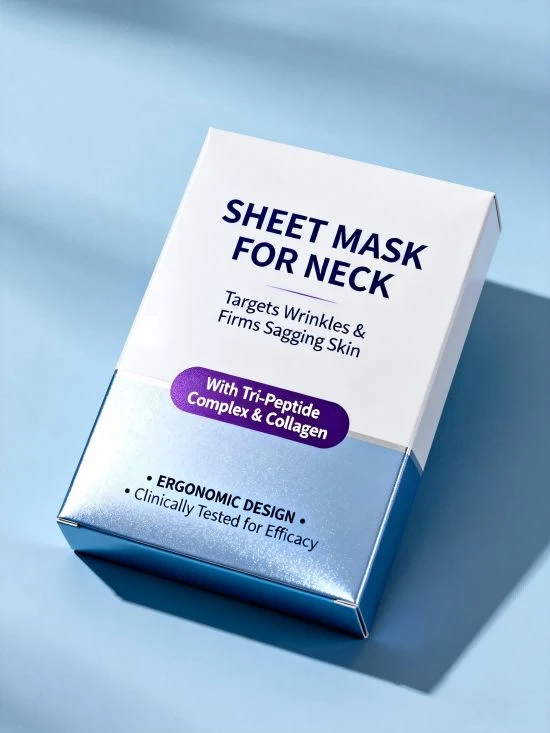
What about other areas? Blackheads aren’t just on your nose—they’re on your forehead, chin, even your neck. A lot of people forget their neck, but pores there get clogged too. Our Sheet Mask for Neck is designed to cover that area, with the same pore-clearing and hydration ingredients. I have a few male customers who use it on their neck, and they say it helps with the blackheads there too—plus, it’s a great anti-aging bonus since the neck skin is thin and needs hydration too.
For people who want shiny, smooth skin, our Face Mask for Shiny Skin is made for oily or combination skin. It has tea tree oil, which is antibacterial, and witch hazel to control oil. Using this once a week can help reduce shine, which means less oil sitting on your face to form blackheads. It’s not a straight-up “remove blackheads” mask, but it’s a long-term solution that keeps them from coming back.
Let’s get back to the science to make sure we’re not just spouting random stuff. Blackheads form when pores get clogged, so the key is preventing and reducing that clogging. Sheet masks can’t physically remove the blackhead plug (that’s what pore strips or extractions do, and extractions should be done by a pro, not yourself), but they can target the factors that cause them: excess oil, dead skin, dehydration, and unbalanced sebum production. So if you’re using a high-quality sheet mask consistently, you’ll see a difference in how your blackheads look and how often they pop up.
But wait, let’s be honest—some blackheads are stubborn. If you have really deep, persistent ones, you might need a bit more, like a topical treatment with tretinoin (but that’s a prescription, so talk to a dermatologist). Sheet masks work best as part of a daily skincare routine, not a solo fix. So pair your sheet mask with a gentle cleanser, a good moisturizer, and (if your skin can handle it) a low-concentration BHA or retinol for long-term results.
Now, as a supplier, I get that you might want to stock our masks, or try them for yourself. Whether you’re a skincare brand looking to add effective sheet masks to your line, or a retailer needing a reliable product for your customers, we’ve got options for every skin type. Our masks are formulated with natural ingredients, no parabens or sulfates, and they’re cruelty-free—important stuff for a lot of people these days.
If you’re a business owner, we’re open to talking procurement. We can share more details on minimum orders, customization options, and how our masks fit into your skincare lineup. If you’re a customer, just check our site for the masks I mentioned—they’re all designed to support your skin, including keeping blackheads at bay.
So to wrap this up: can a skin mask sheet remove blackheads? No, not entirely, and not instantly. But it can prevent new ones, reduce the appearance of existing ones by targeting pore-clogging factors, and keep your skin balanced so blackheads don’t become a recurring problem. It’s not a magic bullet, but it’s a key part of a good skincare routine that works with your skin, not against it.
If you have more questions, or if you’re interested in partnering with us as a supplier, feel free to reach out to our team. We’re here to help you find the right products for your needs, whether that’s for your personal routine or your business. Don’t hesitate to ask—we’ve been in the sheet mask game for a while, and we know what works (and what doesn’t) for all skin types.
References
- American Academy of Dermatology. (2022). Comedones: What Causes Blackheads and How to Manage Them.
- Draelos, Z. D. (2019). The Role of Sheet Masks in Skincare: Clinical Evidence and Practical Applications. Journal of Cosmetic Dermatology, 18(3), 689-695.
- Rawlings, A. V., & Matts, P. J. (2005). Stratum Corneum Moisture and the Skin Barrier: A Review. International Journal of Cosmetic Science, 27(1), 1-13.
- Thiboutot, D. M. (2004). The Role of Sebum in Acne Pathogenesis. Journal of the American Academy of Dermatology, 50(5 Suppl), S1-S12.


